
"coffee plantations in Puerto Rico"
400 article(s) found

Unique flavor of Puerto Rico fine coffee beans Flavor Aroma Description Introduction
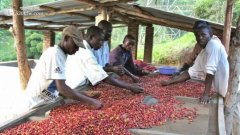
The people here have been using an eco-friendly, intensive cultivation method, picking only fully ripe beans and then rinsing them in a roller for 48 hours. Yocote Select coffee beans are kept in sheepskin shells until they are marketed and removed when ordered to ensure optimum freshness. At the time of the transaction, the United States government's relevant

Description of Coffee Flavor in San Pedro Manor, Puerto Rico
Puerto Rico has a low-wage system, with a per capita hourly wage of $4.20 in 1991. Still, manual workers earn more than workers in many other coffee-producing countries, as long as Hawaii and Yamaja are on a par. Another problem facing the Puerto Rican coffee industry is that in the Caribbean, Puerto Ricans have a relatively high cultural quality, so they are better.

Fragrant, granular coffee flavor description of San Pedro Manor, Puerto Rico, introduction to the degree of grinding
Puerto Rican gourmet coffee has been exported to the United States, France and Japan. Coffee in this country is generally carefully cultivated, with pure taste, aroma and heavy granules, among which the best is among the world's famous brands. The best coffee is Yauco Selecto, which means Selecto. Grand Lares Yauco is produced in the southwest of the island, Larez.

Pure, aromatic, grainy Puerto Rican coffee beans introduce boutique coffee
Puerto Rico, as a territory outside the territory of the United States, is rarely heard of, and most people may know that it is a tourist resort rich in Miss World. As one of the few island countries in the Caribbean, the country, which the Spaniards call the port of wealth, had a blank history before Columbus discovered the New World. Yaoke Yauco is an area of 176.5 square meters in the south of Poland.

Introduction of high-quality coffee beans in Puerto Rico coffee production area
Puerto Rico has a low-wage system, with a per capita hourly wage of $4.20 in 1991. Still, manual workers earn more than workers in many other coffee-producing countries, as long as Hawaii and Yamaja are on a par. Another problem facing the Puerto Rican coffee industry is that in the Caribbean, Puerto Ricans have a relatively high cultural quality, so they are better.

Puerto Rico coffee estate with strong flavor
The soil is of high quality clay. Some older varieties of Arabica coffee are grown here, although their yields are lower than those of other varieties, but they are generally of good quality. The people here have been adopting an ecological, intensive farming method, using only low toxicity fertilizers and chemicals, and adopting mixed crop cultivation measures to make the soil more fertile. When it comes to coffee beans, people

Introduction to the characteristics of flavor and taste of coffee manor in Puerto Rico
It tastes long. This kind of coffee is very expensive and its flavor is comparable to that of any other coffee variety in the world. In the Yauco area, the coffee is owned and operated by local planters. The mountain climate here is mild, the plants have a long mature period (from October to February), and the soil is of high quality clay. Some old varieties of Arabica coffee beans are grown here, although the yield is higher.

Introduction of Puerto Rican coffee beans with creamy taste and red wine aftertaste
Puerto Rico, as a territory outside the territory of the United States, is rarely heard of, and most people may know that it is a tourist resort rich in Miss World. As one of the few island countries in the Caribbean, the country, which the Spaniards call the port of wealth, had a blank history before Columbus discovered the New World. Yaoke Yauco is an area of 176.5 square meters in the south of Poland.

Bolivia, Puerto Rico, Brazil, Brazil, origin of coffee beans.
Puertp Rico in 1736, coffee trees were introduced into Puerto Rico from Martinique. Most of the early coffee was grown by immigrants from Corsica. By 1896, Puerto Rico was the sixth largest exporter of coffee in the world, with most coffee shipped to France, Italy, Spain and Cuba. Coffee farms flourished in the 19th century, but sugar cane and medicine

The strong flavor of Puerto Rican coffee describes the degree of grinding taste characteristics of high-quality coffee beans
Puerto Ricans are the general name of the residents of United States Puerto Rico in Central America and the Caribbean. There are about 3.4 million people (1979). Spanish and English are widely used. More Catholic. The earliest inhabitants of Puerto Rico were Arawak and Caribbean Indians. In 2012, whites of European origin accounted for about 73% of the population, mixed-race people accounted for 23%, and blacks accounted for 4%. There are more than 20,000 Americans and others.

Puerto Rico coffee with full flavor and aroma
Flavor: Full grain, full flavor, full aroma Roast: Medium Roast Excellent Yocote coffee beans are kept in their shells until they are ordered and shipped to ensure optimum freshness. Relevant U.S. government personnel, such as FDA and USEA, will also be present at the time of shipment submission, and their work will be performed.

Bolivian boutique coffee Puerto Rico Brazilian boutique coffee production of coffee beans
Puertp Rico in 1736, coffee trees were introduced into Puerto Rico from Martinique. Most of the early coffee was grown by immigrants from Corsica. By 1896, Puerto Rico was the sixth largest exporter of coffee in the world, with most coffee shipped to France, Italy, Spain and Cuba. Coffee farms flourished in the 19th century, but sugar cane and medicine were planted

Introduction to the method of describing the taste and flavor of Puerto Rico coffee varieties
Yaocote's choice of coffee, which is grown only on three farms in the southwest of the island, is fragrant and has a long aftertaste. This kind of coffee is very expensive and its flavor is comparable to that of any other coffee variety in the world. In the Yauco area, the coffee is owned and operated by local planters. The mountain climate here is mild, and the plants have a long mature period (from October to February of the following year).

Puerto Rico Coffee Larez Yaoke Coffee planting situation, Geographic location, Climate and altitude
Nowadays, Puerto Rico's coffee is not even enough for domestic demand, and it still needs to import raw beans from other places for baking, so we don't know how much of the coffee we snapped up was picked on the island. But the shortage of coffee on the island is not entirely due to the decline in production. Because of the closer relationship with the United States, few local people are willing to engage in the coffee-picking business. According to records, every year on the tree

Puerto Rico Coffee Flavor Manor production area introduction to San Pedro Manor
This kind of coffee is very expensive and its flavor is comparable to that of any other coffee variety in the world. In the Yauco area, the coffee is owned and operated by local planters. The mountain climate here is mild, the plants have a long mature period (from October to February), and the soil is of high quality clay. Some old varieties of Arabica coffee beans are grown here, although the yield is higher than other varieties.

Puerto Rico Coffee Bean flavor and taste introduction to San Pedro Manor
It tastes long. This kind of coffee is very expensive and its flavor is comparable to that of any other coffee variety in the world. In the Yauco area, the coffee is owned and operated by local planters. The mountain climate here is mild, the plants have a long mature period (from October to February), and the soil is of high quality clay. Some old varieties of Arabica coffee beans are grown here, although the yield is higher.

Introduction of San Pedro Manor in Puerto Rico Coffee producing area
The taste is fragrant and has a long aftertaste. This kind of coffee is very expensive and its flavor is comparable to that of any other coffee variety in the world. In the Yauco area, the coffee is owned and operated by local planters. The mountain climate here is mild, the plants have a long mature period (from October to February), and the soil is of high quality clay. Some old varieties are grown here.

Flavor description of Coffee in San Pedro Manor, Puerto Rico
Yaocote's choice of coffee, which is grown only on three farms in the southwest of the island, is fragrant and has a long aftertaste. This kind of coffee is very expensive and its flavor is comparable to that of any other coffee variety in the world. In the Yauco area, the coffee is owned and operated by local planters. The mountain climate here is mild, and the plants have a long mature period (from October to February of the following year).

A long aftertaste of Puerto Rican coffee flavor description, grinding characteristics, taste manor introduction
With the advance of modernization, the Americanization of Puerto Rican culture is becoming more and more obvious. However, people of insight on the island believe that Puerto Rican culture should not be assimilated into the mainstream culture of the United States, otherwise the national identity of Puerto Rico will be lost. This proposition is closely linked to the debate over the political status of Puerto Rico and has become a political issue of concern to every Puerto Rican. Language problem
Basic knowledge of Puerto Rican boutique coffee beans from coffee origin
In 1736, coffee trees were introduced from Martinique to Puertp Rico. Most of the early coffee was grown by immigrants from Corsica. By 1896, Puerto Rico was the sixth largest exporter of coffee in the world, with most coffee shipped to France, Italy, Spain and Cuba. Coffee farms flourished in the 19th century, but the rise of sugarcane and drug farming